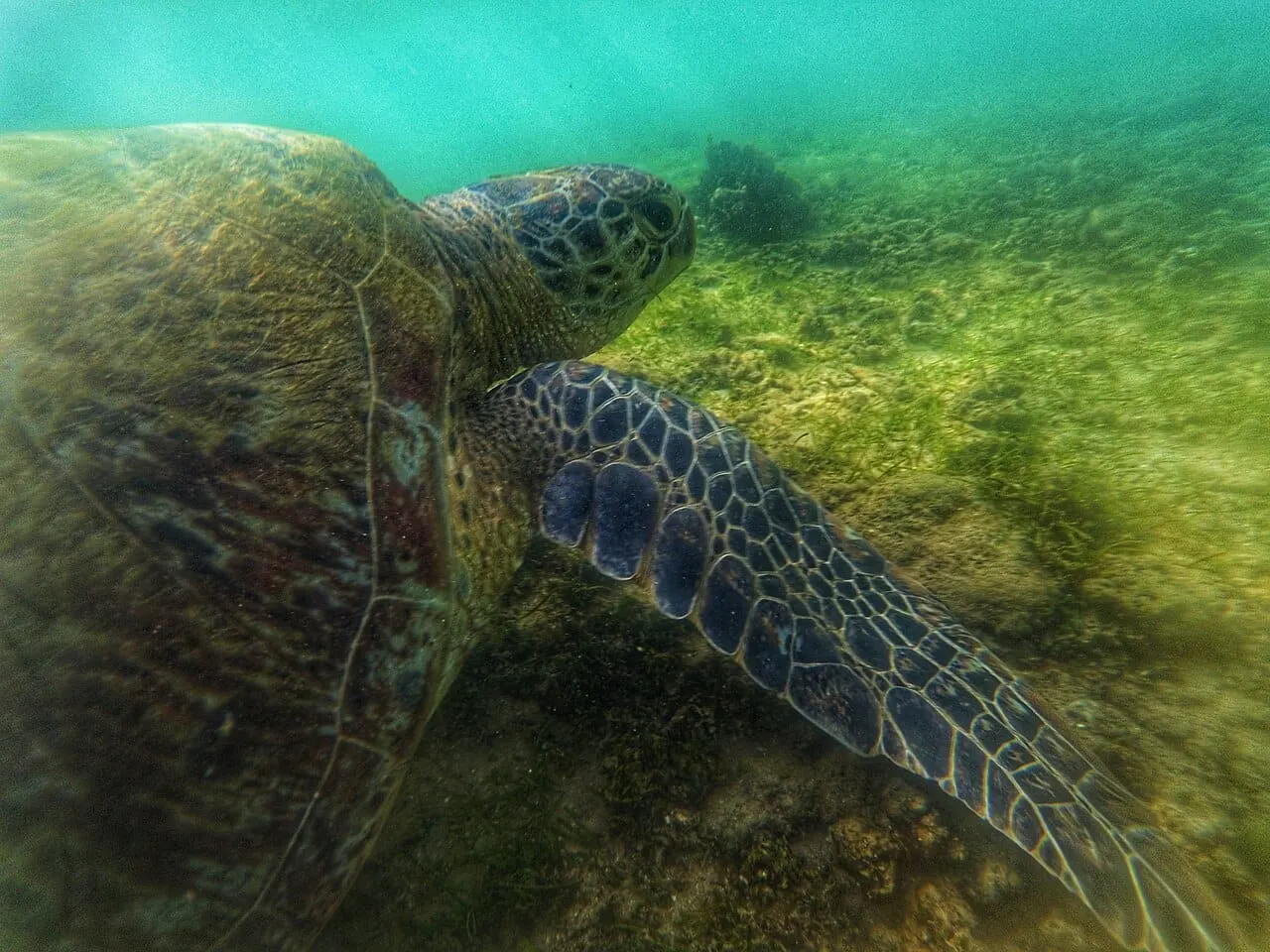
Five of the world's seven sea turtle species nest on Sri Lanka's beaches, and green turtles feed on the reefs of the south coast all year. You can see them in three ways: a guided night watch at a nesting beach, a snorkel over a reef where turtles graze, or a visit to a hatchery. This guide explains how to do each one well, and how to avoid the options that harm the animals.
Quick answer: for nesting turtles, book the guided night watch at Rekawa near Tangalle. For turtles in the water, snorkel the Polhena reef near Matara on a calm morning. Visit a hatchery only if it releases hatchlings promptly and does not keep turtles in tanks for show.
Step 1: Choose how you want to see turtles
- Nesting at night: a female crawls up the beach, digs a nest and lays her eggs. This happens after dark and only at a few protected beaches, with a guide.
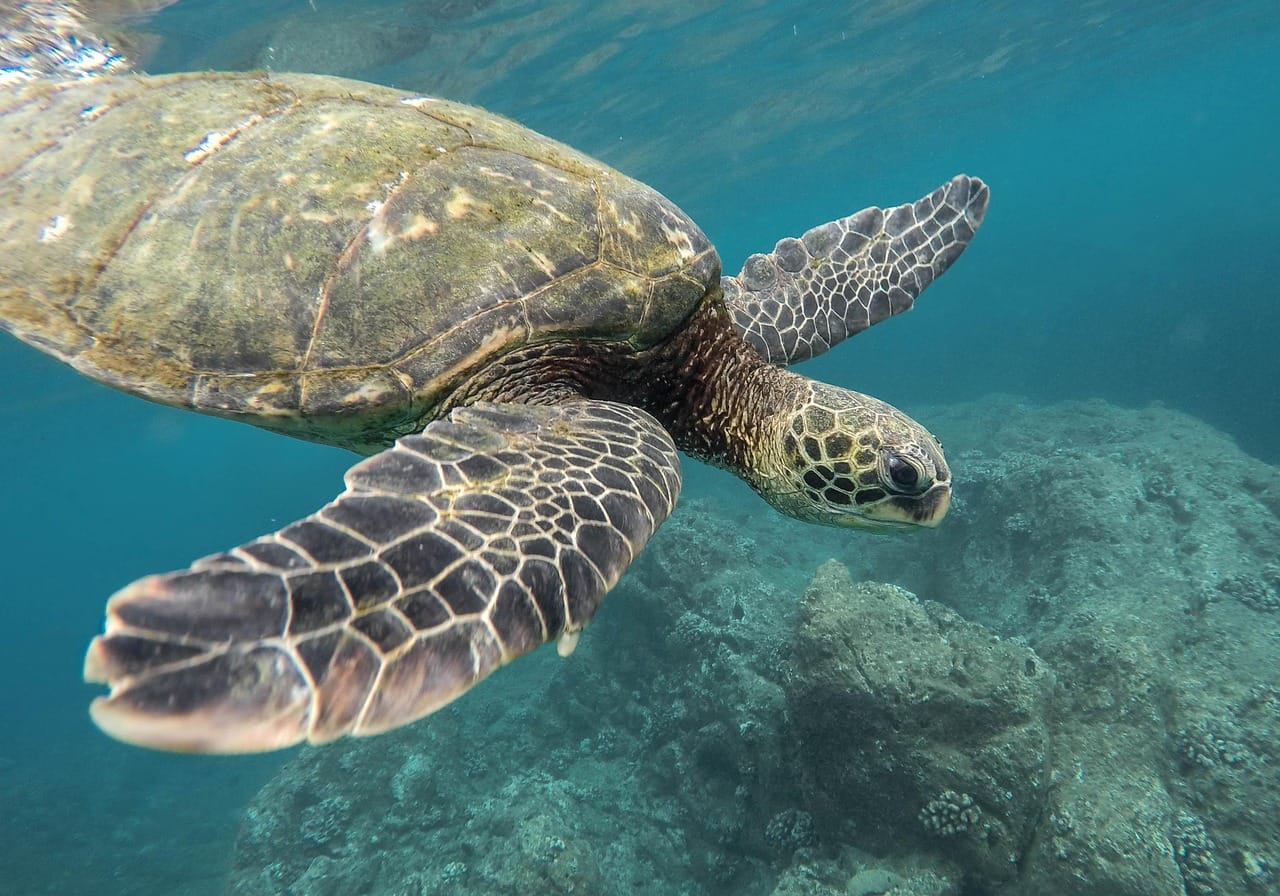
- Snorkelling by day: green turtles graze on seagrass and algae on shallow reefs such as Polhena. This is the easiest way to see them, but only when the sea is calm.
- Hatcheries: private hatcheries on the west and south coasts, especially around Kosgoda, collect eggs and release hatchlings. Quality varies a lot.
Step 2: Pick the right season
Turtles nest on Sri Lanka's south coast all year, but no night is guaranteed. Sources give different peaks, from January to April and from April to July, so treat any month as a chance rather than a promise. For snorkelling, plan the south coast between November and April, when the south-west monsoon is not running and the sea is usually calm. From May to September the east coast is the calmer side of the island.
Step 3: Book the night watch at Rekawa
Rekawa, a few kilometres east of Tangalle, is the best-known place to watch nesting. The night watch is run with the local Turtle Conservation Project, and the visitor fee helps pay for guarding nests from poachers and predators.
- Arrive after dark and register at the watch point; your guesthouse can arrange a tuk-tuk from Tangalle.
- Expect to wait. Guides keep visitors back until the turtle has started laying, because disturbing her earlier can make her return to the sea.
- No torches or camera flash. Guides use dim red light; ask before taking any photo.
- Check the current fee and start time with the project or your guesthouse before you go.
Step 4: Snorkel with turtles at Polhena
Polhena, just west of Matara, has a shallow reef protected by an outer rock line. Resident green turtles graze there, often close to swimmers. Go in the morning when the water is calmest and clearest, and check with your guesthouse that the sea is safe that day.
- Stay at least a couple of metres away, never touch or chase a turtle, and never block its way to the surface.
- Do not feed turtles. At Hikkaduwa, turtles near the beach are often fed seaweed by people on the shore, which changes their natural behaviour; watch from a distance instead.
- Wear a rash vest and use reef-safe sunscreen, and do not stand on the coral.
Step 5: Choose a hatchery carefully
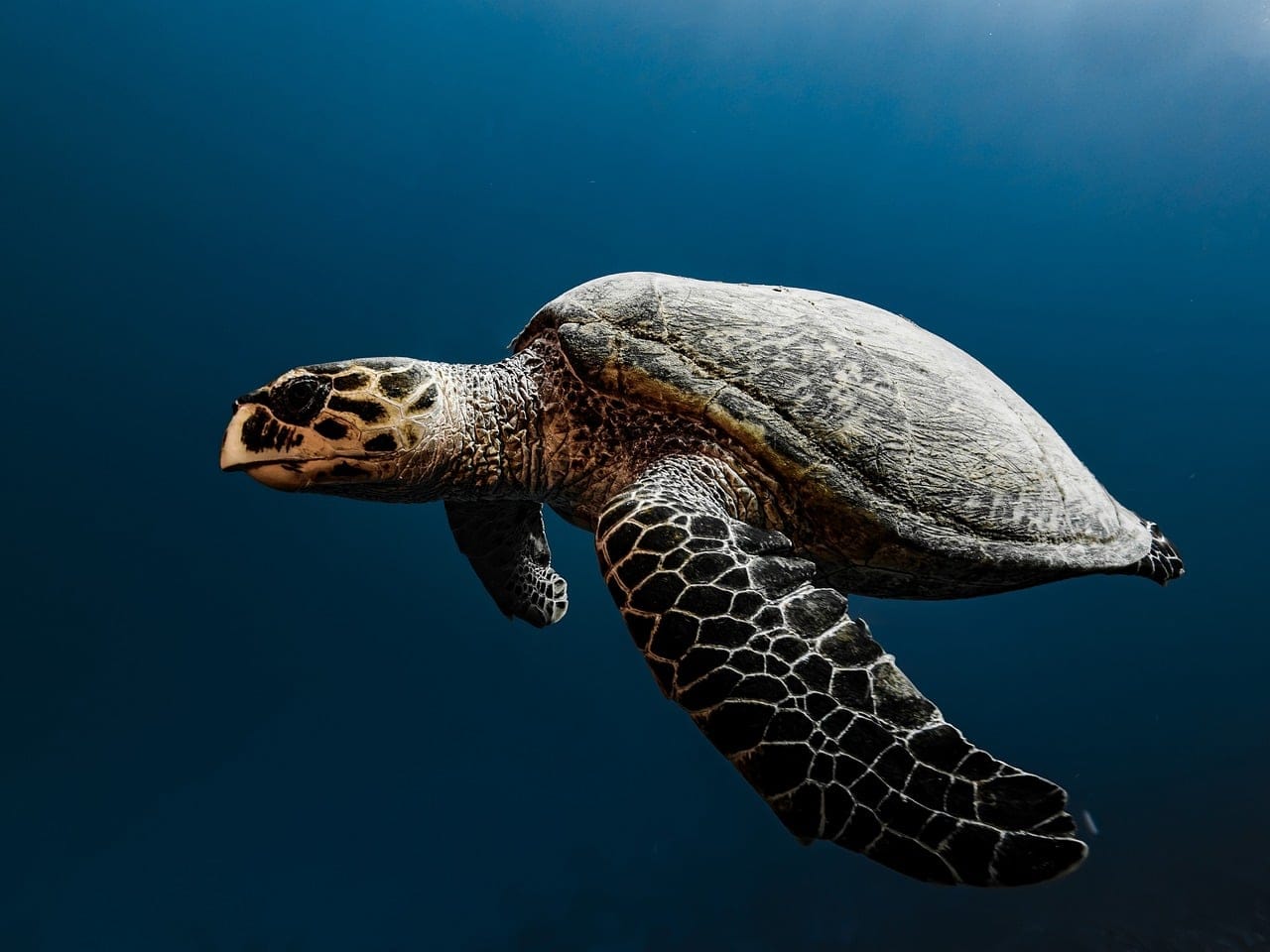
Hatcheries can protect eggs from poachers, but some keep turtles in small tanks for visitors to hold. Before you pay, check that:
- hatchlings are released soon after hatching, at night, rather than kept for days;
- visitors are not invited to handle turtles;
- any adult turtles in tanks are injured animals in rehabilitation, with a clear plan to release them.
If a hatchery fails these checks, skip it and spend your money on the Rekawa night watch instead.
Step 6: Plan your route along the south coast
A simple order from Colombo is Hikkaduwa, then Galle, Mirissa and Polhena near Matara, then Tangalle for Rekawa. Kosgoda lies north of Hikkaduwa, between Bentota and Hikkaduwa. The coastal railway serves Hikkaduwa, Galle and Matara; for Rekawa you need a tuk-tuk or car from Tangalle.
What to bring
- Cash in rupees for the night watch fee and tuk-tuks
- A rash vest, mask and snorkel, and reef-safe sunscreen
- Insect repellent and a light layer for the night watch
- A dry bag for your phone
Frequently asked questions
Where is the best place to see sea turtles in Sri Lanka?
Rekawa near Tangalle is the best place to watch turtles nesting at night with a guide. Polhena near Matara is the most reliable place to snorkel with green turtles on a calm day.
When do turtles nest in Sri Lanka?
Turtles nest on the south coast throughout the year, with different peak months reported for different species. No night is guaranteed, so allow two nights if seeing a turtle is important to you.
Is it okay to feed or touch turtles?
No. Feeding changes their natural behaviour and handling stresses them. Watch from a distance and let the turtle move freely.
Are turtle hatcheries in Sri Lanka ethical?
Some are and some are not. Choose one that releases hatchlings quickly and does not let visitors handle turtles, or support the community-run night watch at Rekawa instead.