Introduction
Dambulla’s five cave temples rise like a stone‑carved citadel from the central plains, each cavern brimming with glittering Buddha statues, ancient frescoes, and the scent of incense. Travelers often wonder how much time they need to soak in this UNESCO treasure without feeling rushed. The answer is simple: with a well‑planned itinerary, you can journey from Colombo or Kandy, ascend the rock, wander the caves, and still catch a sunset view from the summit—all within a single day.
Quick answer: From the ticket office, it takes about 15 minutes to reach the first cave, the hike to the top adds another 30 minutes, and a thorough visit lasts 1–2 hours. Including travel from Colombo (≈3 hrs) or Kandy (≈2 hrs), you can comfortably complete the experience in a day.
What You'll Need
- Passport & ETA confirmation: Online at eta.gov.lk (free for many nationalities)
- Cash in LKR: At least LKR 2,000 for entry, water, and small purchases (≈US$6.5)
- Modest clothing: Shoulders and knees covered for temple respect
- Smartphone with Google Maps or PickMe app: For transport booking
- Reusable water bottle: Bottled water costs about LKR 120 per litre
- Time: 8–10 hours total, including travel and exploration
Step 1: Secure Your Travel From Colombo or Kandy
From Colombo, hop on a private car or a reputable bus (e.g., Bus 48) heading toward Habarana. The expressway route—Colombo → Negombo → Mirigama → Badagamuwa → Galewela → Dambulla—covers roughly 160 km and takes 3 hours 15 minutes. If you prefer rail, board the train to Habarana (≈2 hrs 30 min) and then catch a tuk‑tuk for the final 20 km. From Kandy, the road via Matale and Palapathwela is 70 km; a private hire or bus will get you there in about 2 hours. Keep a buffer of 30 minutes for traffic, especially during peak tourist seasons (December–March).
Step 2: Purchase Tickets and Prepare for the Ascent
Arrive at the South Entrance of the Dambulla Rock Temple before 6 pm, when the ticket office closes. The entry fee is LKR 1,500 per adult (≈US$5). No tickets are sold at the summit, so buy them here. After payment, you’ll receive a stamped card that grants access to all five caves. Remember the modest dress code: cover shoulders and knees, and remove shoes before entering each cave. The path from the ticket office to the first cave involves a 15‑minute stair climb; sturdy shoes will make this easier.
Step 3: Explore the Caves in Reverse Order for Maximum Impact
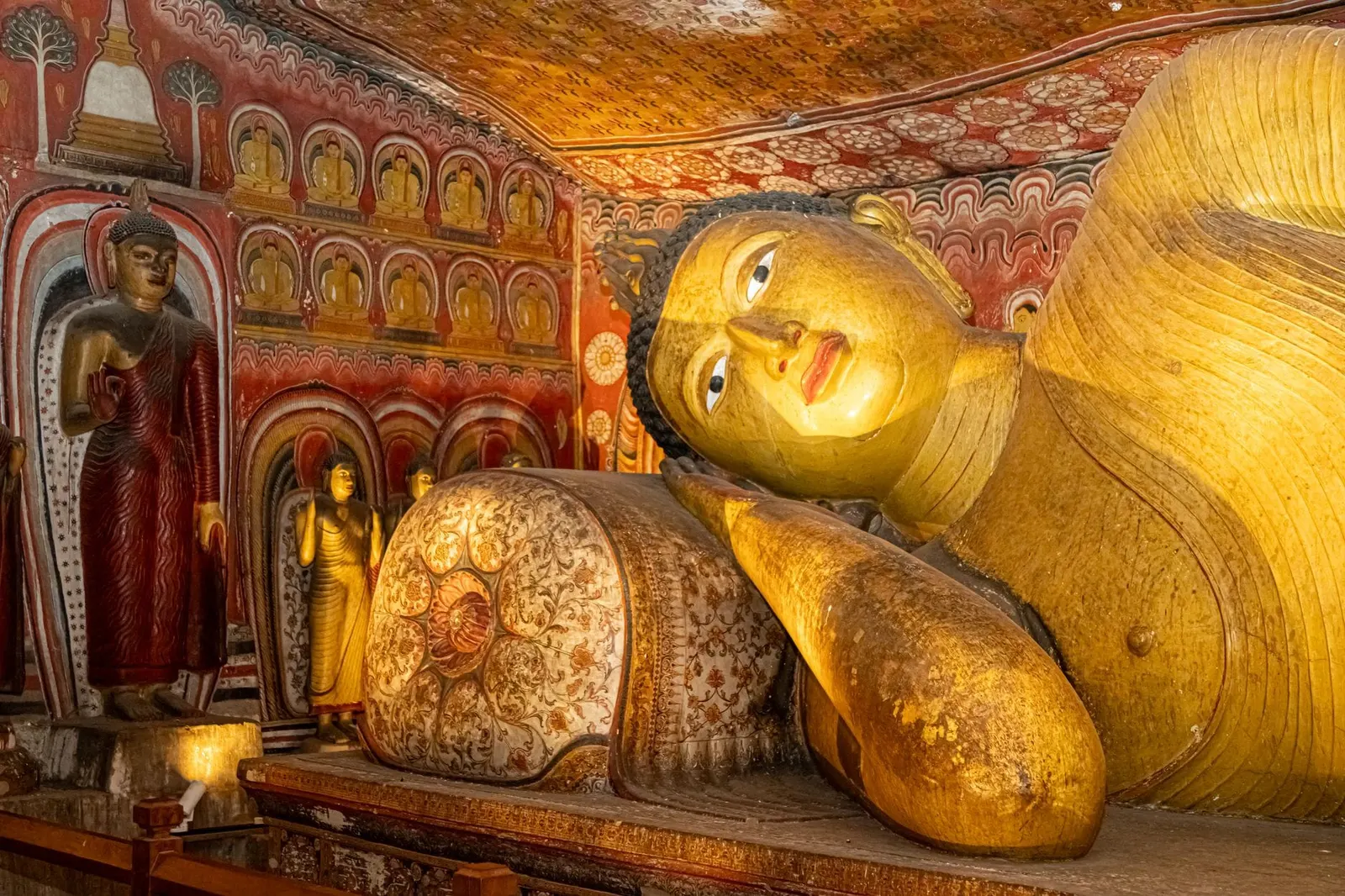
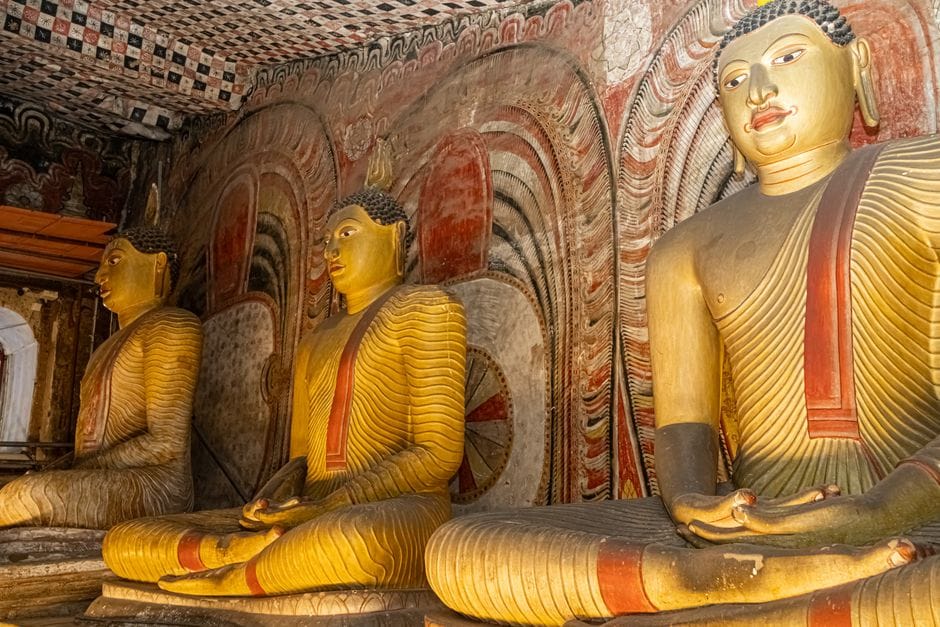
Start with Cave 5, the smallest and newest, and work your way down to Cave 2, the most elaborate. This reverse order lets you finish with the grandest frescoes and the towering Buddha statues, creating a crescendo of visual wonder. Allocate roughly 15 minutes per cave, allowing extra time for photography (respecting the rule against photographing backs of Buddha statues). The entire cave circuit usually takes 1–2 hours, depending on your pace and curiosity. Take note of the 10‑metre reclining Buddha in Cave 5 and the vivid paintings of Vishnu and Kataragama in Cave 2.
Step 4: Climb to the Summit for Panoramic Views
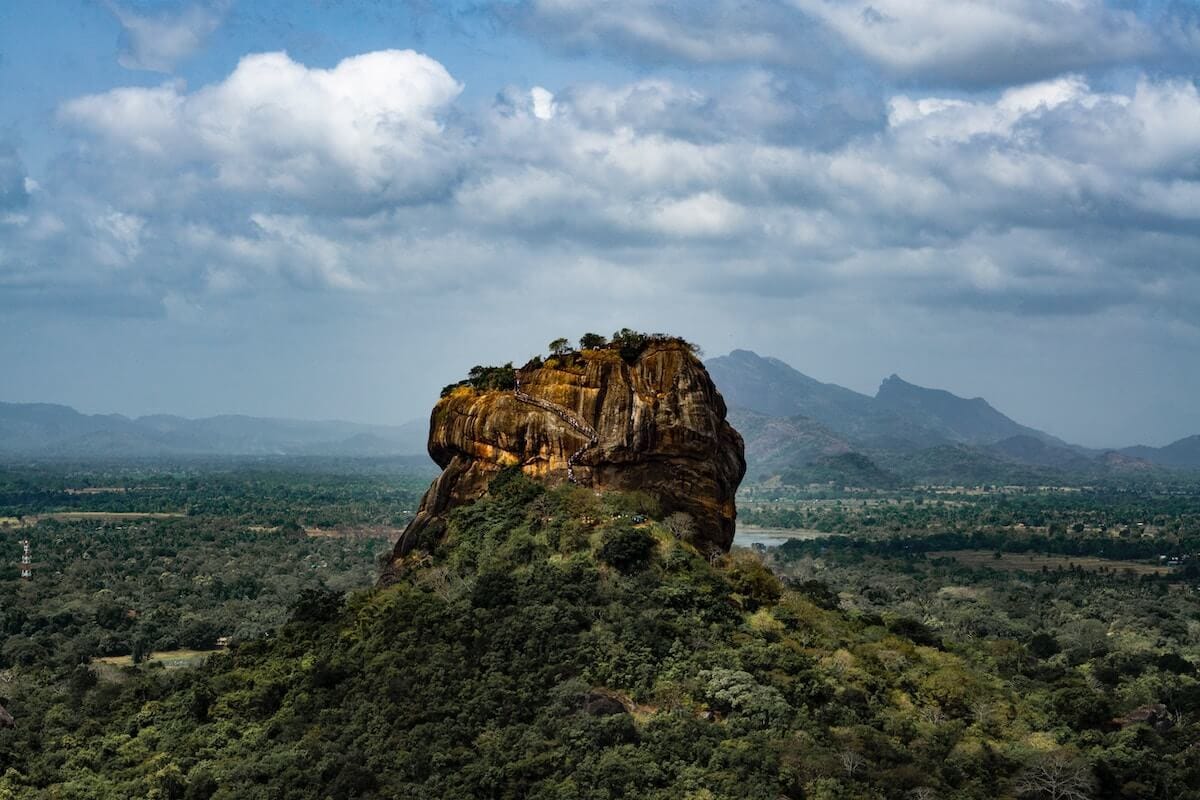
When you exit Cave 2, follow the marked trail to the summit. The ascent is a 30‑minute uphill walk, with occasional steps and shaded rest spots. At the top, you’ll be rewarded with sweeping vistas of the surrounding rice paddies, the distant silhouette of Sigiriya, and, on clear days, the glitter of the Mahaweli River. Sunset is magical here; the sky blushes orange while the rock’s ancient walls catch the fading light. Bring a lightweight jacket if you’re visiting during the cooler months (December–March).
Step 5: Refresh and Reflect at the Dambulla Museum
Just below the ticket office lies the modest Dambulla Museum. Though often overlooked, it houses copies of cave paintings and artifacts that trace Sri Lankan art from the earliest Buddhist period to the Kandyan era. Spend 20 minutes here to deepen your understanding of the frescoes you’ve just seen. The museum has no entry fee, but a small donation of LKR 100 (≈US$0.30) helps maintain the exhibits. No food stalls are available on the summit, so this is a good spot to sip your water and rest before descending.
Step 6: Return to Your Base and Capture the Memories
Begin your descent before the ticket office closes at 6 pm to avoid missing the last entry. If you’re traveling back to Colombo, you’ll arrive in the evening, perfect for a relaxed dinner at a seaside restaurant in Mount Lavinia. From Kandy, you can catch a night bus or arrange a private car for a comfortable ride home. Keep your receipt and stamped ticket card; they serve as a souvenir and proof of entry should you need to reference the visit later.
Pro Tips
- Go early: Arriving at 7 am avoids the midday heat and crowds.
- Carry a rain poncho: Sudden showers can appear, especially in April.
- Use a portable charger: Phone batteries drain quickly when you’re photographing frescoes.
- Hire a local guide: A short 30‑minute commentary costs about LKR 500 and adds context to the art.
- Bring sunscreen and a hat: The climb is exposed to strong sun.
- Buy a refillable water bottle: Refill stations are near the ticket office; it’s cheaper than buying new bottles.
- Respect the silence: Many visitors meditate; keep voices low inside the caves.
Common Mistakes to Avoid
- Skipping the dress code: You’ll be turned away at the entrance.
- Rushing the caves: Missing the intricate details reduces the experience.
- Leaving after 6 pm: The ticket office closes, and you’ll be locked out.
- Assuming food is available on the summit: No shops exist above the ticket office.
- Driving without a GPS: Roads can be confusing; a map app prevents getting lost.
Location
FAQ
How far is Dambulla from Colombo and Kandy?
Dambulla lies about 160 km north of Colombo (≈3 hrs 15 min by car) and 70 km east of Kandy (≈2 hrs by road). Buses, private taxis, and trains to Habarana plus a short tuk‑tuk ride are common options.
What are the opening hours and best times to visit?
The site opens daily from 7 am to 7 pm, but the ticket office shuts at 6 pm. Early morning (7–9 am) and late afternoon (4–6 pm) offer cooler temperatures and softer light for photography.
How much does entry cost for foreign adults?
The entrance fee is LKR 1,500 per adult (≈US$5). SAARC nationals pay a reduced rate of LKR 1,200. No separate national‑park fee applies.
Can I take photos inside the caves?
Yes, photography is allowed, but you must not photograph a person with their back to a Buddha statue. Flash is discouraged to protect the frescoes.
Is there a dress code I must follow?
Yes. Shoulders and knees must be covered. Shorts, sleeveless tops, and flip‑flops are not permitted inside the temples.
How long does the whole visit take, including the climb?
From the ticket office to the summit and back, the average visitor spends 1.5 hours inside the caves plus a 30‑minute climb each way, totaling roughly 2 hours of on‑site time.
Are there any facilities for food or drinks at the site?
No. There are no shops on the summit or within the cave complex. Bring water and snacks with you; you can refill at the ticket office.
Final Thoughts
Visiting the Dambulla Cave Temples is a journey through centuries of Sri Lankan spirituality, art, and landscape. By planning your travel, respecting the modest dress code, and pacing yourself through the five caves and the summit trail, you’ll uncover a world of golden Buddhas, vibrant frescoes, and panoramic vistas—all within a single, unforgettable day. Pack smart, start early, and let the ancient rock whisper its stories to you.